
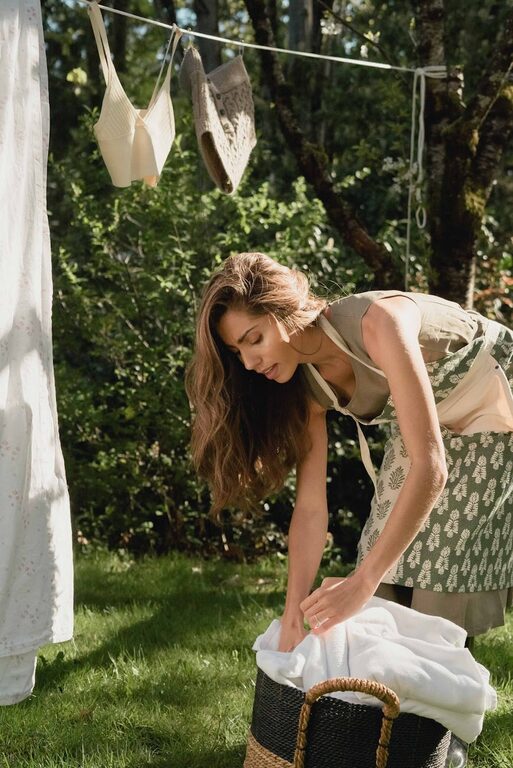
Taking good care of your clothes not only saves money but also helps reduce textile waste, making it a win-win for your wardrobe and the environment. With a few simple habits and mindful routines, you can enjoy your favorite garments longer while keeping them looking great. Here are some practical tips for caring for your clothes to help them last.
Understand Your Clothes’ Labels
Before washing or caring for any piece, check the care label sewn inside. This small tag carries valuable information on fabric type, washing temperature, drying guidelines, and ironing instructions. Following these guidelines prevents unnecessary damage and shrinkage.
– Washing symbols: Look for recommended water temperature, whether it requires hand washing, or if machine wash is safe.
– Drying instructions: Some clothes can be tumble dried, others need air drying only.
– Ironing: Check if your garment can be ironed and what temperature is suitable.
Knowing how to properly treat each fabric is the first step to longer-lasting clothes.
Wash Clothes Less Frequently
One of the best ways to extend your clothes’ life is washing them only when necessary. Overwashing wears out fabric fibers and fades colors faster.
– Only wash clothes that smell, are stained, or visibly dirty.
– Air out lightly worn clothes for a day instead of washing.
– For items like jeans and sweaters, washing after 3-5 wears is often sufficient.
This simple approach reduces fabric stress and saves water and energy.
Use Gentle Washing Techniques
When it’s time to wash, treating your clothes gently makes a big difference.
– Turn clothes inside out to protect the outer surface.
– Use cold or lukewarm water to prevent shrinking and color fading.
– Choose a gentle or delicate cycle on your washing machine.
– Consider using a mesh laundry bag for delicate items like lingerie or knitwear.
– Use mild, eco-friendly detergents that are formulated for colors or delicate fabrics.
Avoid harsh treatments such as bleach or abrasive scrubbing unless absolutely necessary.
Avoid Overloading the Washing Machine
Overloading forces clothes to rub against each other aggressively, causing wear and tear. It also makes rinsing less effective, which can leave detergent residues that damage fibers over time.
Follow your washer’s recommended load sizes for optimal cleaning and gentler care.
Dry Clothes Properly
How you dry your clothes affects their shape and fiber quality.
– Whenever possible, air dry your garments by hanging or laying flat. This reduces fiber stress caused by the heat of the dryer.
– Avoid direct sunlight for colored clothes, as this can fade fabric.
– For sweaters or delicate knitwear, reshape and dry flat on a clean towel.
– If using a dryer, select a low heat or air-dry setting.
Proper drying helps maintain fit and prevents fabric shrinkage or stiffness.
Store Clothes with Care
Storage is often overlooked but is crucial for maintaining clothing quality.
– Use padded or wide hangers for items like blouses and jackets to prevent stretching shoulders.
– Fold knitwear and heavy sweaters instead of hanging, to avoid them losing shape.
– Keep clothes in a cool, dry area to avoid moisture buildup that can cause mildew.
– Use breathable garment bags or covers if storing clothes long-term.
– Avoid overcrowding your closet to prevent wrinkles and fabric stress.
Good storage habits help your clothes keep their shape and stay fresh.
Repair and Mend Instead of Discarding
Fixing small damages early makes clothes usable for much longer.
– Sew on loose buttons or patches at the first sign of wear.
– Address small tears with simple stitching or fabric glue.
– Replace worn-out zippers or broken hooks.
– For persistent stains, try spot cleaning before washing the whole garment.
Learning basic mending techniques or taking clothes to a tailor preserves your favorite pieces and curbs waste.
Rotate Your Wardrobe
Regularly rotating what you wear prevents some clothes from being overused.
– Keep a balanced mix of items to wear throughout the week.
– Avoid wearing the same piece several days in a row.
– This reduces fabric fatigue and extends the life of each item.
Employing rotation also keeps your wardrobe feeling fresh and versatile.
Additional Tips for Special Fabrics
Certain fabrics require extra attention:
– Silk: Use gentle detergents, hand wash or dry clean, avoid twisting while wet.
– Wool: Wash with special wool detergents, dry flat, never wring.
– Denim: Wash inside out, in cold water, and avoid frequent washing.
– Activewear: Use detergents designed for synthetic fibers, avoid fabric softeners that can damage stretch.
By understanding fabric needs, you help garments retain their quality and performance.
—
Caring for your clothes thoughtfully is an investment that pays off with longer-lasting, better-looking garments. Simple changes in washing frequency, methods, storing, and basic repairs not only save money but also contribute to a more sustainable lifestyle. Start incorporating these habits today and enjoy a wardrobe that stays vibrant season after season.